
Coke Oven Gas Treatment
Read Case Study →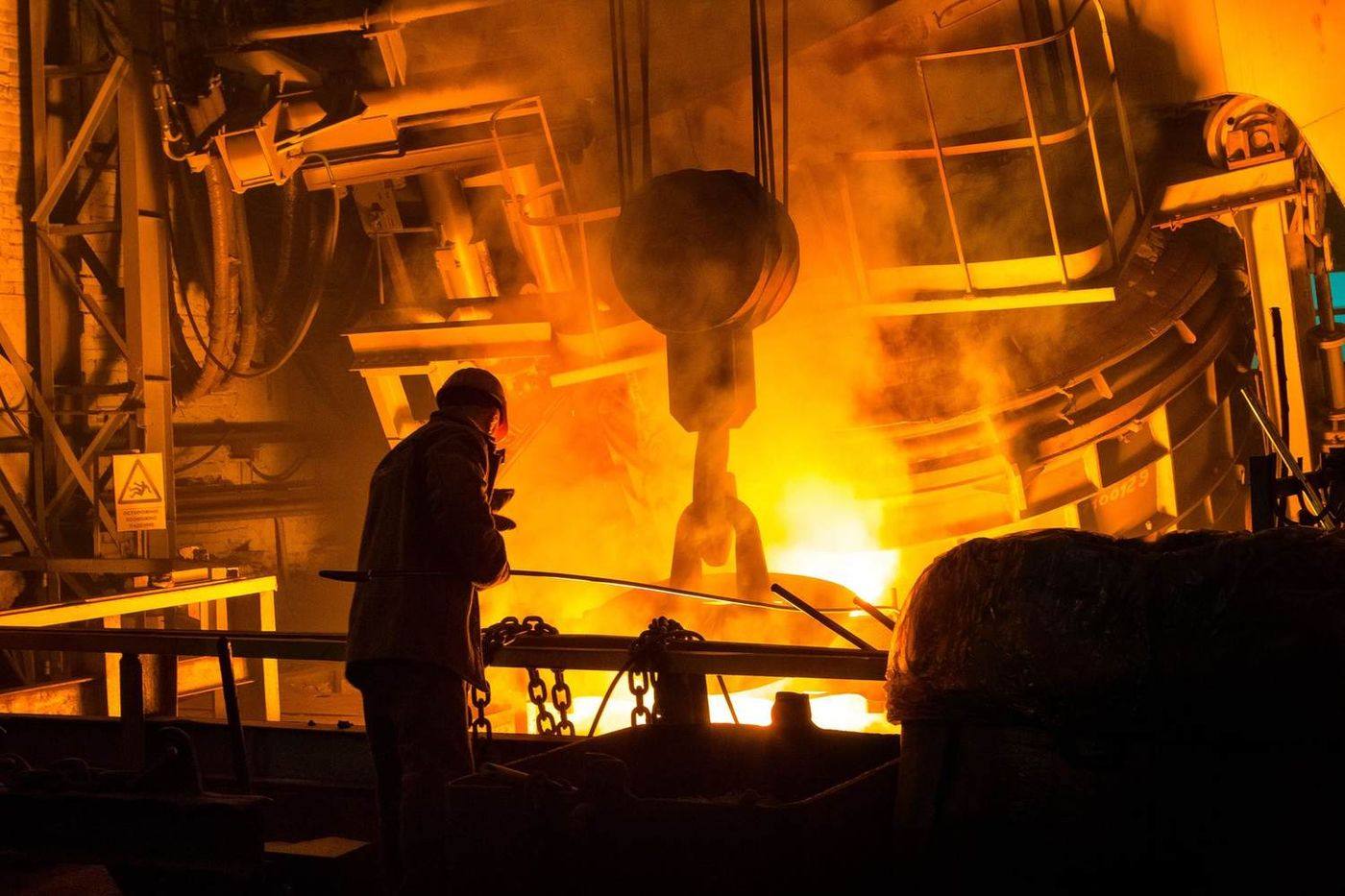
Ammonia decomposition catalysts for coke oven gas treatment, converting NH₃ and HCN to stable light gases and protecting downstream sulfur recovery.
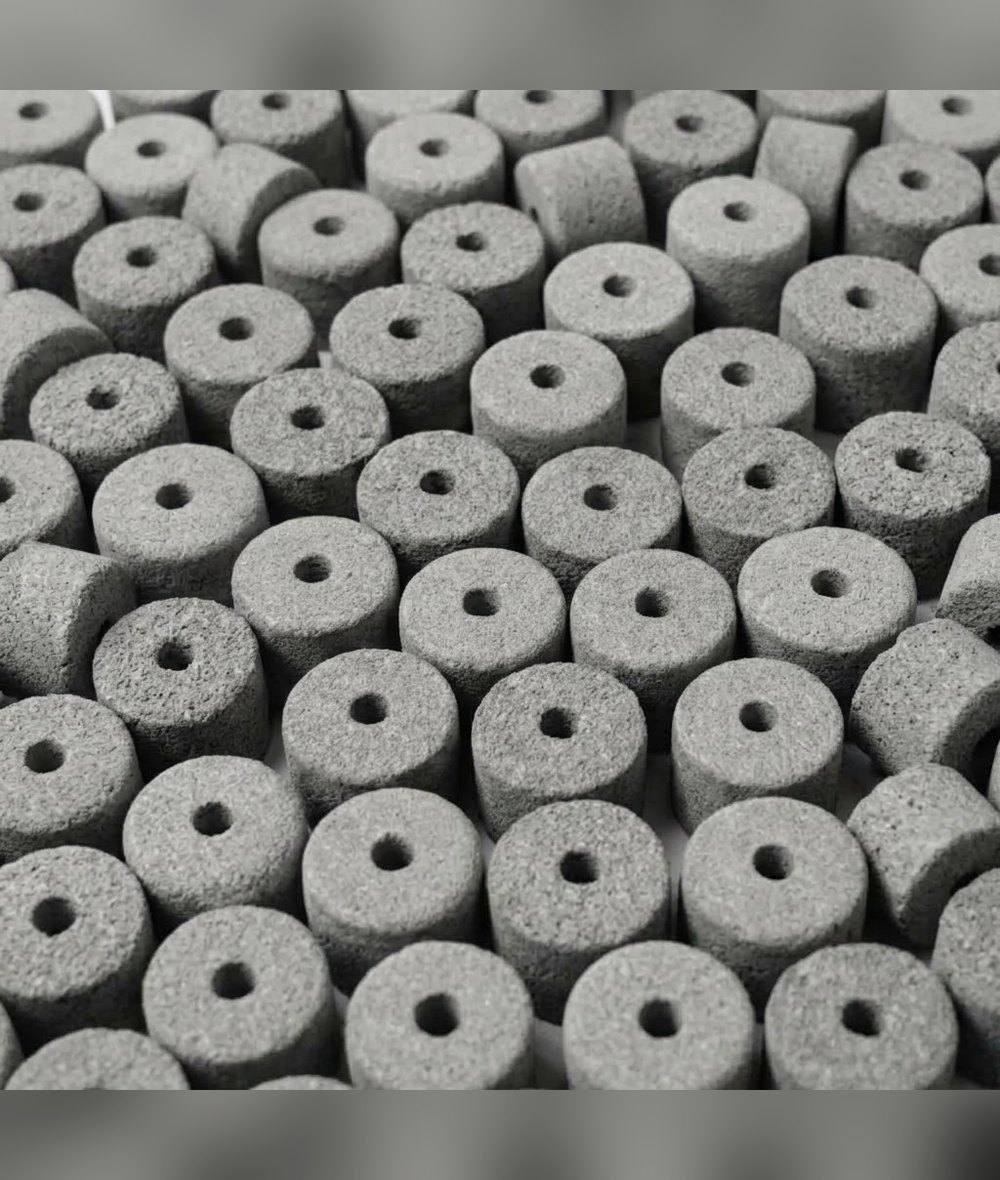
Nickel based catalysts that convert toxic ammonia and hydrogen cyanide into stable light gases, preventing fouling downstream and protecting catalysts.

A range of Claus conversion catalysts, from standard alumina to TiO₂-promoted and oxygen-scavenging types, for every converter bed in the sulfur recovery unit.
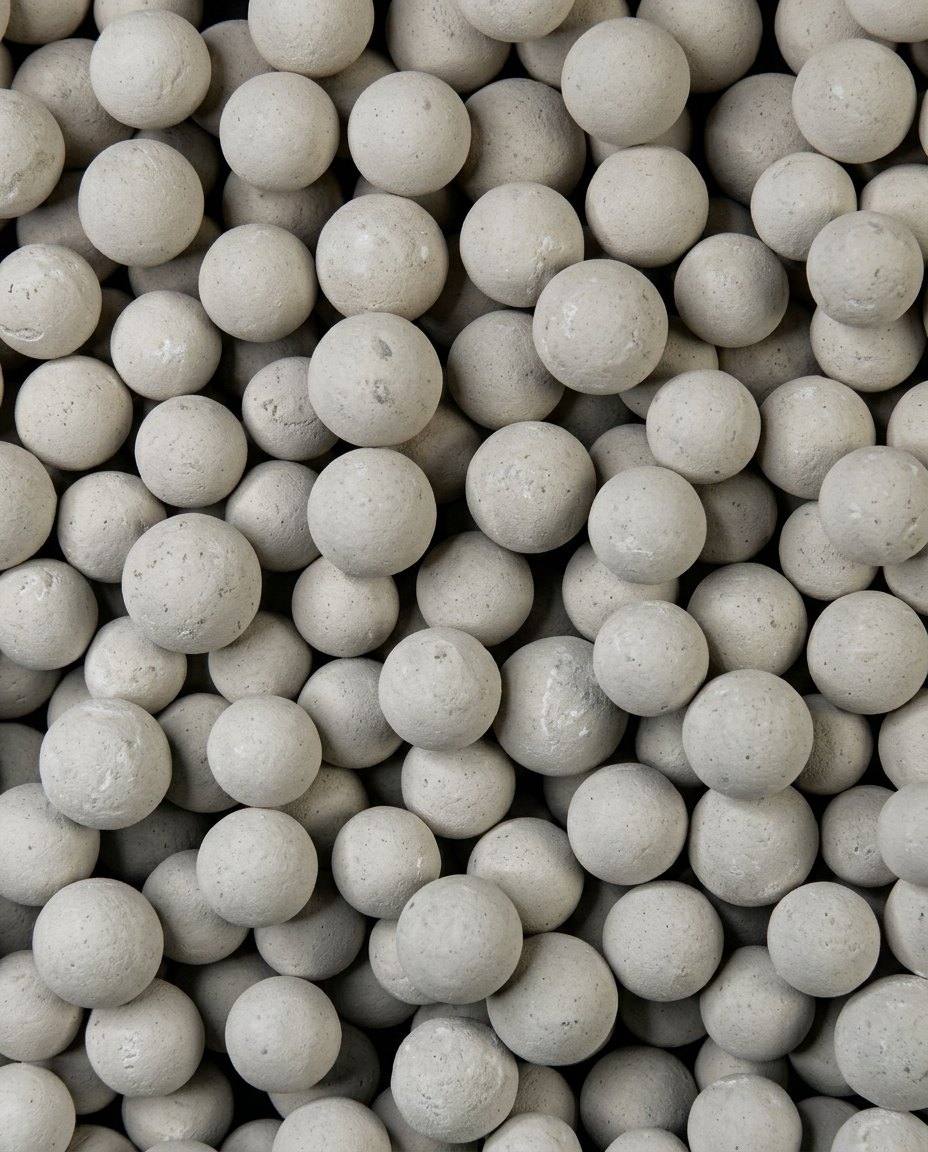
High-density ceramic and alumina spheres that hold uniform gas distribution across the bed and stay stable under harsh operating conditions.
Implementation
This process scheme illustrates a multi-stage coke oven gas treatment and sulfur recovery system. It shows how our catalysts are integrated into the process and where each catalyst is used.
Coke oven gas first passes through purification before entering the Claus kiln, where the RCAT®-3000 catalyst enables high-temperature decomposition of ammonia and hydrogen cyanide compounds.
The gas then flows through sequential Claus reactors loaded with RCAT®-9001 sulfur recovery catalyst, converting sulfur-bearing compounds into elemental sulfur under controlled operating conditions.
Cooling and reheating stages between reactors support efficient sulfur condensation and continued catalytic conversion.
Envitrack Services
From selecting the correct catalyst through to ensuring ongoing reliable operations, our team can support your plant team across the catalyst lifecycle.
Matching catalyst type, size, and loading scheme to your feed, unit configuration, and performance targets.
Evaluating activity, selectivity, and stability under real feed and process conditions, supported by on-site presence where needed.
Direct access to specialists, fast practical support, and close collaboration with plant teams to restore stable operations.
Case Study
Why Envitrack
Higher catalyst performance can translate into lower energy consumption, reduced maintenance requirements, and fewer catalyst replacements.
Catalyst stability and durability are critical to maintaining performance over extended operating cycles. Envitrack catalysts are built to extend useful catalyst life and reduce replacement frequency.
No two plants operate under exactly the same conditions. Envitrack takes a consultative approach to customization, working with factors such as catalyst distribution, operating temperature, reactor conditions, and process requirements to develop a solution suited to your specific application.
From catalyst selection and testing to implementation and ongoing technical support, Envitrack works alongside your team to validate performance and address application-specific challenges. The result is a more informed catalyst decision with less technical uncertainty.

Tell us about your process and current catalyst setup. Our technical team can recommend the right catalyst and support testing to make sure it’s the right fit for your process.