RCAT® Activated Metal Catalysts
Fixed-bed Alloys
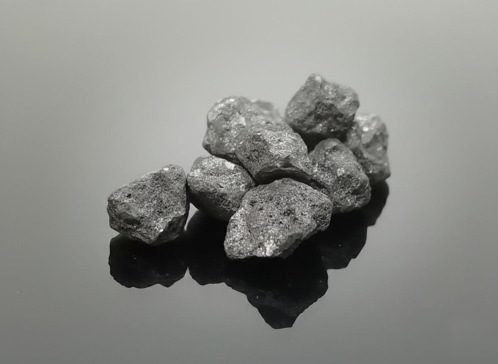
Unactivated nickel, copper and cobalt–aluminium alloys for on-site activation, engineered for continuous processing, high activity at low temperatures, and long mechanical life.
- Application
- Hydrogenation
Specifications
Technical Data
Typical values for key technical parameters.
| Catalyst | Type | Active composition | Promoter | Particle size |
|---|---|---|---|---|
| RCAT®-3990 | Fixed-bed nickel | 40–50% Ni | — | 1.7–3.4 mm; 3.4–6.7 mm |
| RCAT®-2090 | Fixed-bed copper | 40–50% Cu | Ni, Cr | 1.7–3.4 mm; 3.4–6.7 mm |
| RCAT®-4910 | Fixed-bed cobalt | 40–50% Co | — | 1.7–3.4 mm; 3.4–6.7 mm |
Applications
RCAT® Applications
RCAT® products can be used across a range of hydrogenation and dehydrogenation applications.
| Catalyst | Applications | Industrial processes |
|---|---|---|
| RCAT®-3990 | Double and triple bond hydrogenation, aldehyde hydrogenation | 1,4-BDO, EG, fatty alcohol hydro-polishing |
| RCAT®-2090 | Alcohol dehydrogenation, aldehyde hydrogenation | Hydrogenation of aldehydes to alcohols, alcohol amine dehydrogenation |
| RCAT®-4910 | Nitrile hydrogenation, reductive aminations | IPDA, HMDA, MXDA, etc. |
Application
Continuous flow reactors, where fixed-bed operation is the efficient, cost-effective route. The alloys are supplied unactivated for activation on site. Nickel alloys are versatile and highly active, performing well at relatively low temperatures with a strong cost-performance balance, and suit aldehyde hydrogenation, fatty alcohol production, double and triple bond hydrogenation, and general-purpose duties. Cobalt alloys stay reliable under higher-pressure, demanding conditions, including carbonyl and syngas-related processes where robustness matters. Copper alloys are more selective than nickel and reduce the risk of over-hydrogenation, which suits aldehyde and ester hydrogenation and the selective conversion of alcohols and carbonyl derivatives.
Key product capabilities and benefits
- Nickel, copper and cobalt alloys for continuous fixed-bed operation
- Supplied unactivated for activation on site, with long mechanical life
- Two granule sizes to balance activity against pressure drop
Request a Product Data Sheet
Contact our technical team for all available product specifications and supporting documentation.
Send Request
We’ll get back to you with our most recent technical documentation via email.
FAQ
Frequently Asked Questions
Do the alloys need activation?
Slurry or fixed-bed: which do we need?
What happens to spent catalyst?
Are other sizes available?
Can we get a full technical data sheet?
Can we test before committing to a full charge?
Who supports installation and start-up?
Operating references for RCAT® Activated Metal Catalysts
Verified performance studies for this range are documented with operating partners and shared on request. Ask our team about references for your process.
Request references
Let’s Discuss Your Catalyst Application
Tell us about your process and current catalyst setup. Our technical team can recommend the right catalyst and support testing to make sure it’s the right fit for your process.